Binuang: A Decorative Font for Headlines That Delivers Real Strategic Value
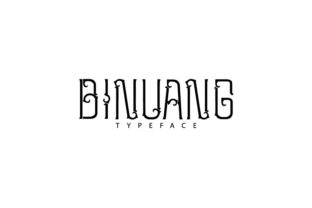
When you choose a font for your headlines, you are making a decision that affects how your audience perceives your message. Binuang is a decorative font designed specifically for headlines and display purposes, offering a distinct visual character that can elevate certain types of content. Unlike many purely ornamental fonts, Binuang strikes a balance between aesthetic appeal and legibility in short-form applications. For entrepreneurs, marketers, and creators who need to capture attention quickly, understanding when and how to use Binuang can support broader communication goals and contribute to more effective brand positioning.
Decorative fonts are often dismissed as risky or impractical for serious work, but that assumption overlooks their strategic potential. Binuang can serve as a deliberate tool for differentiation when used with clear intent. The key is to recognize that every typographic choice reinforces your message, and Binuang is no exception. Whether you are designing a landing page, a product label, or a social media graphic, the font you select shapes first impressions. Binuang offers a way to signal personality without overwhelming the content, provided you approach its use with a plan.
Why Thoughtful Font Choices Matter for Your Goals
Typography is not just about aesthetics; it is a functional element of communication. The fonts you use influence readability, emotional response, and even recall. When you select a decorative typeface like Binuang, you are making a calculated choice to prioritize distinctiveness over neutrality. This can be strategically useful if your goal is to stand out in a crowded market or to reinforce a specific brand identity. For professionals and business owners, aligning font selection with broader objectives—such as increasing engagement, improving recognition, or supporting a campaign theme—ensures that design decisions serve measurable outcomes rather than personal taste alone.
Many people choose fonts impulsively, gravitating toward what looks appealing without considering context. This approach often leads to inconsistent branding or reduced readability. Binuang, when used thoughtfully, can help avoid these pitfalls. By planning where and how you deploy this font, you can maintain coherence across your materials while adding visual interest. For example, if your goal is to create a memorable header for a blog post or a promotional banner, Binuang can draw the eye without distracting from the core message. The discipline lies in using it specifically for display purposes—headlines, subheads, or short callouts—rather than for body text, where a simpler typeface would be more appropriate.
How Binuang Can Support Your Brand Positioning and Communication
Brand positioning is about carving out a unique space in your audience’s mind, and visual elements play a critical role in that process. Binuang can contribute to a distinctive visual identity when integrated into your design system. Its decorative nature suggests creativity, playfulness, or sophistication, depending on how you pair it with other elements. For instance, a freelancer in the creative industries might use Binuang for project titles to convey a sense of custom work, while a small business owner could apply it to sale signs or event invitations to build excitement. The font becomes a subtle signal of the care and intention behind your work.
Communication clarity also benefits from deliberate typography. When your headlines stand out due to a unique font like Binuang, you help viewers quickly understand the hierarchy of information. This is especially valuable in digital contexts where attention spans are short. By reserving Binuang for key messages, you direct focus to the most important parts of your content. Marketers and bloggers can use this to their advantage—for example, in newsletter headers or intro slides for presentations—where a touch of distinctiveness can increase the likelihood of engagement. The font acts as a visual cue that says, “This is worth your time.”
Practical Examples of Binuang in Action
To make this concrete, consider a few realistic scenarios where Binuang can be applied effectively:
- Landing page headlines: Use Binuang for the main title to create a strong first impression. Pair it with a sans-serif font for body text to maintain readability. This combination works well for product launches or personal brand websites.
- Social media graphics: Short quotes or key phrases in Binuang can increase visual appeal on platforms like Instagram or LinkedIn. The decorative style helps the text pop against backgrounds, making it easier to capture scroll-stopping attention.
- Presentation slides: Use Binuang for section headers in slide decks. This adds a professional, curated look without overwhelming the content. It signals that you have invested in the presentation’s design, which can enhance credibility with clients or teams.
- Physical signage: For events or retail spaces, Binuang on banners or posters can convey a tailored feel. The font’s decorative quality suits temporary installations where you want to stand out quickly.
In each case, the font serves the context rather than dominating it. The examples underscore the importance of matching Binuang to the medium and message, not using it indiscriminately.
Planning Your Use of Binuang: When and Where to Apply It
Strategic use of Binuang begins with planning. Before you add it to a project, ask yourself what goal it serves. Is it to differentiate your brand? To make a specific message memorable? To signal a particular mood? Write down the intended outcome and then decide if Binuang is the best tool for that job. This planning step prevents decorative fonts from becoming a distraction and keeps your design aligned with your objectives.
Timing also matters. Use Binuang when you have a clear focal point—such as a single headline or a key phrase—that benefits from visual emphasis. Avoid using it in long runs of text or situations where legibility is paramount. For instance, if you are designing a newsletter, reserve Binuang for the subject line or main heading, not for introductory paragraphs. Similarly, in web design, apply it to H1 or H2 tags where the character count is low and the impact needs to be high. This approach ensures that Binuang enhances the user experience rather than hindering it.
What to Consider Before Relying on Binuang
Like any design choice, using Binuang comes with trade-offs. Its decorative nature can sometimes reduce readability, especially at smaller sizes or in low-contrast environments. Before committing to this font, test it in different contexts—on screens of various sizes, in print, and against different backgrounds. If the font becomes difficult to read at the scale you need, it may undermine your communication goals rather than support them. For example, a tiny headline in Binuang on a mobile device might frustrate users, leading them to skip the message entirely.
Another consideration is consistency. If you overuse Binuang across too many elements, the special effect diminishes. The font works best as an accent, not as the primary voice of your design. Think of it as a spice: a little adds flavor, but too much can ruin the dish. Reserve it for moments where you need to break the pattern and draw attention. This restraint preserves its strategic value over time, keeping your audience responsive to its appearance.
Potential Risks of Using Binuang Without Clear Context
Using Binuang without a clear purpose can lead to several problems. First, it may confuse your audience. If a decorative font appears in an unexpected context—such as on a formal business proposal or a technical document—it can create a mismatch between visual tone and content, undermining trust. Second, overreliance on decorative fonts can make your brand look amateurish if the execution is inconsistent. Without planning, you might use Binuang in a way that clashes with other design elements, creating visual noise rather than harmony.
Third, accessibility is an issue. Not all users can easily read decorative fonts, especially those with visual impairments. If you use Binuang in critical areas like navigation or body text, you risk excluding part of your audience. This is not just a design flaw; it can have practical consequences for conversion rates and user satisfaction. To mitigate this, always pair Binuang with more readable fonts and ensure that key information is still accessible through alternate means, such as alt text or semantic HTML tags.
Making Intentional Decisions About Font Selection
Intentionality separates effective design from random decoration. When you choose Binuang, do so because you have evaluated its fit against your goals, audience, and medium. This means asking questions like: Does this font reinforce my message or compete with it? Will my audience recognize the effort I put into this choice, or will they find it distracting? Am I using it in a way that supports my long-term brand identity? Answering these questions helps you use Binuang as a deliberate tool rather than a stylistic afterthought.
For educators and professionals creating learning materials, Binuang can be useful for course titles or section dividers, adding visual rhythm to otherwise text-heavy content. For hobbyists who run personal blogs, it can give posts a unique voice that feels authentic. The key is to match the font’s decorative quality to the tone you want to set. A thoughtful approach also involves testing variations—adjusting size, color, and spacing—to optimize how Binuang performs in your specific use case. This experimentation is part of the planning process and ensures that the final result meets your standards.
Long-Term Value of Using Decorative Fonts Like Binuang Strategically
When integrated into a broader typographic strategy, Binuang can contribute to long-term brand recognition and customer experience. Consistent use of a distinctive font for headlines creates a visual signature that audiences come to associate with your work. Over time, this familiarity builds trust and makes your content more instantly identifiable. For small business owners and entrepreneurs, this can be a cost-effective way to differentiate from competitors without a full rebranding effort.
Additionally, strategic font choices can improve operational efficiency. By setting clear guidelines for where Binuang should be used—such as in email templates, social media kits, or presentation formats—you reduce decision fatigue for yourself and your team. This standardization ensures that every piece of content meets your quality benchmarks while maintaining visual cohesion. The long-term payoff is a brand that feels intentional and professional, which supports customer loyalty and repeat engagement.
Ultimately, Binuang is not just a font; it is a decision point. How you use it reflects your understanding of design as a functional tool for achieving goals. By approaching it with planning, context, and restraint, you can harness its decorative qualities to enhance your communication without sacrificing clarity or purpose. For any creator, marketer, or professional who values results over trends, Binuang offers a practical way to make headlines that matter.