The Art of Typography: Understanding the Signerella Font Pairing and Its Creative Impact
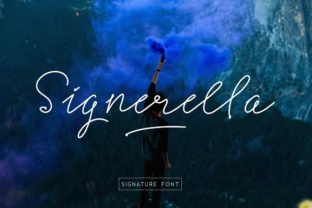
Typography is often the unsung hero of visual communication. Every letter, curve, and spacing choice shapes how readers feel about the words they see. Among the growing palette of font pairings that designers and content creators turn to, one combination has quietly gained attention for its elegant balance: Signerella. This distinctive duo consists of a thin original handwritten style font paired with a complementary sans-serif typeface. Together, they create a visual harmony that feels both personal and professional, intimate and modern.
If you have ever struggled to choose the right fonts for a project or wondered why some designs feel effortlessly polished while others fall flat, understanding what Signerella offers can shift your perspective. This article walks through everything you need to know about this font pairing, from its core characteristics to its practical applications in everyday design work.
What Exactly Is Signerella? Breaking Down the Font Duo
Signerella is not a single font but a thoughtfully curated pairing of two distinct typefaces that work together to create a cohesive visual identity. At its heart, the pairing is built around a contrast between expressiveness and clarity.
The Thin Handwritten Style Font
The first component of Signerella is a thin handwritten style font. This typeface mimics the natural flow of human handwriting but with a refined, airy lightness. The strokes are delicate, often with varying line thickness that gives the text a sense of movement and authenticity. Unlike bolder script fonts that demand attention, the thin handwritten style whispers. It feels personal, as if someone took a fine pen and carefully wrote each word just for the reader.
This handwritten element carries a strong emotional weight. It evokes warmth, creativity, and a human touch. Because it is thin, it leaves plenty of breathing room on the page, making it ideal for short headlines, pull quotes, logotype treatments, or accent text where you want to inject personality without overwhelming the layout.
The Complementary Sans Serif Font
Balancing the handwritten font is a clean, modern sans-serif typeface. Sans-serif fonts are defined by their lack of decorative strokes (serifs) at the ends of letters. This gives them a straightforward, legible appearance that works well in body text, subheadings, and any context where clarity is paramount.
In the Signerella pairing, the sans-serif font is chosen to complement—not compete with—the handwritten style. It is typically neutral in character, with consistent stroke widths and open letterforms. This creates a stable foundation that anchors the more expressive handwritten element. The sans-serif font handles the heavy lifting of longer paragraphs, navigation labels, captions, and detailed information, while the handwritten font adds moments of visual delight.
Together, these two fonts create a dialogue: one speaks with emotion, the other with precision. That dialogue is what makes Signerella so versatile.
Why Font Pairing Matters in Modern Design
Before diving deeper into Signerella specifically, it is worth understanding why font pairing matters at all. In both digital and print design, typography does more than convey words. It sets tone, establishes hierarchy, and guides the reader's eye. A well-paired font combination can make a brand feel trustworthy, a website feel inviting, or a poster feel dynamic.
Good font pairing is about contrast and harmony. You want two fonts that are different enough to create visual interest but similar enough to feel like they belong together. This is where Signerella excels. The contrast between the organic handwritten strokes and the structured sans-serif forms is pronounced but not jarring. The shared lightness and openness of both fonts keep the overall look cohesive.
In modern design contexts—whether for startups, creative portfolios, e-commerce stores, or personal blogs—audiences respond to authenticity. The handwritten component signals that there is a real person behind the content. The sans-serif component reassures them that the information is organized and reliable. Signerella delivers both signals at once.
The Psychology Behind Signerella's Appeal
Typography operates on a subconscious level. Readers rarely consciously analyze font choices, but they absorb the emotional cues those choices send. The thin handwritten style in Signerella taps into a sense of approachability and sincerity. It feels less corporate, less automated. When a reader sees handwritten-style text, they tend to perceive the message as more genuine and personal.
The sans-serif counterpart, by contrast, communicates efficiency and clarity. Sans-serif fonts are widely associated with modernism, digital interfaces, and clean information design. They have a "no-nonsense" quality that reassures the reader that the content is structured and easy to follow.
When you combine these two psychological triggers, you get a pairing that feels both caring and competent. That is a powerful combination for any communication goal, whether you are selling a product, explaining a concept, or telling a story. Signerella allows you to build trust while maintaining readability.
Practical Applications of Signerella
Understanding the theory behind Signerella is one thing. Seeing where it fits in the real world is another. This pairing is not limited to one type of project. Its flexibility makes it suitable for a wide range of applications.
Branding and Logo Design
For brands that want to convey personality without sacrificing professionalism, Signerella is an excellent starting point. The handwritten font can be used as the primary logotype, especially for businesses in creative fields like photography, illustration, event planning, or boutique retail. The sans-serif font then handles taglines, business cards, and supporting text. The pairing produces a brand identity that feels curated but not fussy.
Web and Digital Design
On websites, Signerella can be deployed in hero sections, headings, and call-to-action banners. The thin handwritten style works beautifully as an accent over background images, where its light weight prevents it from competing with visual content. The sans-serif font takes over for body text, navigation menus, and form labels. Because both fonts are relatively light, they perform well on screens and maintain legibility across devices.
Print and Editorial Design
In print, Signerella shines in materials that aim to feel warm and inviting. Think wedding invitations, greeting cards, thank-you notes, and small-brand packaging. The handwritten font gives these pieces a handmade feel, while the sans-serif font keeps addresses, product details, and fine print readable. It also works in magazines or zines where you want a blend of editorial authority and creative expression.
Social Media and Marketing
Social media graphics rely on quick visual impact. Using the handwritten style for key quotes or headings grabs attention in a crowded feed. The sans-serif font can be used for hashtags, captions, or CTAs. The pairing scales well from stories to posts to banners, maintaining a consistent brand voice across platforms.
Common Misunderstandings About Handwritten Font Pairings
Despite their growing popularity, handwritten font pairings like Signerella are sometimes misunderstood. A common assumption is that handwritten fonts are always informal or difficult to read. While some script fonts are indeed ornate, the thin style used in Signerella is designed with legibility in mind. Its light weight and open letterforms make it more accessible than heavier or more elaborate scripts.
Another misunderstanding is that pairing a handwritten font with a sans-serif font is an arbitrary choice. In reality, this pairing follows established design principles. The contrast between organic and geometric shapes creates a natural hierarchy. The eyes are drawn to the handwritten text first because it feels novel, then rest on the sans-serif text because it feels familiar and easy to scan. This is not random—it is a deliberate strategy for guiding attention.
Some also worry that using a handwritten font will make their work look amateurish. The key is in the implementation. When used sparingly and paired with a clean sans-serif, the handwritten style adds polish and distinctiveness. Overusing it, or using it for long blocks of text, is what leads to readability issues. But within the Signerella framework, the division of labor between the two fonts prevents that problem from arising.
Tips for Working with Signerella in Your Projects
If you are considering using Signerella in your own work, there are a few practical guidelines that can help you get the most out of the pairing.
- Use the handwritten font for short, impactful text. Headlines, quotes, names, and single words work best. Avoid using it for paragraphs longer than a sentence or two.
- Let the sans-serif font carry the informational load. Body copy, lists, descriptions, and data should appear in the sans-serif typeface to ensure maximum legibility.
- Pay attention to spacing and size. Because the handwritten font is thin, it may need slightly more letter-spacing or a larger size to remain clear, especially on screens.
- Maintain consistent contrast. Keep the handwritten style in a color that stands out from the background but does not clash with the sans-serif text. Soft neutrals, muted tones, or a single accent color often work best.
- Consider the context. Signerella works well for brands and projects that value warmth, creativity, and approachability. For highly formal or technical contexts, a different pairing might be more appropriate.
Following these guidelines will help you use Signerella not just as a decoration, but as a functional part of your communication strategy.
The Future of Font Pairing in Digital Design
Typography continues to evolve alongside technology and culture. As digital interfaces become more personalized and brands seek to stand out in a saturated online space, pairings like Signerella represent a broader trend toward human-centered design. Readers are increasingly drawn to content that feels authentic and approachable. Fonts that mimic handwriting, when used thoughtfully, help fulfill that expectation without sacrificing clarity or professionalism.
At the same time, the rise of variable fonts and improved web font loading has made it easier than ever to use specialized pairings across different devices and platforms. Signerella benefits from this shift. You no longer have to sacrifice performance for personality. Modern web technologies allow you to serve the handwritten and sans-serif fonts efficiently, ensuring that your design looks consistent whether viewed on a desktop monitor or a mobile screen.
The demand for versatile, emotionally resonant typography will only grow. Pairings like Signerella offer a template for how to meet that demand—balancing beauty with utility, emotion with structure.
Building a Broader Understanding of Typography
Understanding font pairings like Signerella is not just about learning which two fonts work together. It is about developing an eye for how form and function interact in visual communication. Every font carries a history, a mood, and a set of expectations. When you choose a pairing, you are making a statement about what kind of experience you want your audience to have.
Signerella, with its thin handwritten style and complementary sans-serif, makes a statement of warmth, clarity, and deliberate design. It acknowledges that readers are human beings with emotions, while also respecting their need for clear and scannable information. That is a balance worth studying whether you are a seasoned designer or someone just beginning to explore the world of typography.
The next time you start a project, consider not just what you want to say, but how you want the words to feel. Font pairings like Signerella give you the tools to control that feeling. Use them intentionally, and your audience will notice the difference—even if they cannot name it.