Saltie Sea: A Handcrafted Font for Practical Creative Workflows
Choosing the right typeface is often a decision that ripples through an entire project. It affects readability, brand perception, and the time you spend on layout adjustments. Saltie Sea, a handcrafted font by Creativeqube, offers a distinctive option for those who need a typeface with organic character without sacrificing practical utility. This article explores where Saltie Sea fits into real-world workflows—from planning and preparation to final delivery—and how you can integrate it cleanly into your process.
What Saltie Sea Brings to the Table
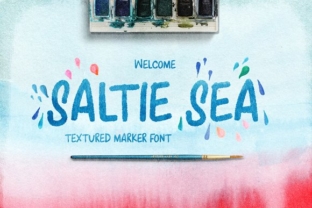
Saltie Sea is a handcrafted display font inspired by coastal aesthetics and refined through meticulous design. Its letterforms carry subtle irregularities that give text a human touch, making it suitable for projects that require warmth, personality, or a narrative feel. Unlike system fonts that can feel sterile, Saltie Sea introduces texture and rhythm that can anchor a brand, set a mood, or differentiate content in crowded spaces.
For professionals and creators, the value lies not just in its appearance but in how it behaves during implementation. The font includes multiple weights and alternate characters, which means you can build hierarchy and emphasis without leaving the font family. This reduces the need to jump between typefaces, streamlining your typography stack.
Before the Project: Planning with Saltie Sea in Mind
Integrating a font like Saltie Sea begins before you open your design software. In the planning phase, consider the following:
- Purpose alignment: Saltie Sea works well for headings, logos, poster text, social media graphics, and short-form content. Its handcrafted nature may not suit long body copy, so pairing it with a simpler sans-serif for paragraphs is often necessary.
- File format and licensing: Creativeqube provides Saltie Sea in common formats (OTF, TTF, WOFF). Confirm that your workflow tools support the format, especially if you plan to use it on the web or in collaborative environments. Check licensing terms for client work vs. personal use.
- Project timeline: Since handcrafted fonts may have more stylistic alternates, plan extra time for testing spacing and kerning adjustments across different sizes.
Design Software and Tool Integration
Saltie Sea works seamlessly with major design applications such as Adobe Illustrator, Photoshop, InDesign, Figma, Sketch, and Canva (if installed locally). When adding it to your font library:
- Install the font file on your system (Windows or macOS).
- Restart any active design applications to refresh the font menu.
- In applications like Figma or Canva, ensure your local fonts are enabled in the settings.
- Test the font at various point sizes to see how its handcrafted details hold up at small scales (e.g., 14–18 pt) versus large displays (e.g., 72+ pt).
If you work collaboratively, consider sharing the font file with team members via a cloud drive or a font management tool like RightFont or FontBase. This ensures everyone uses the same version and maintains consistency.
Workflow Examples
Branding projects: Use Saltie Sea for a logo lockup or primary headline to convey a handcrafted, approachable identity. Pair it with a clean sans-serif like Montserrat or Inter for body copy. Prepare a simple style guide that specifies which weight to use for each application (e.g., regular for headlines, bold for emphasis).
Social media graphics: Because social posts often rely on large, bold text, Saltie Sea’s character can help your content stand out. Use it in tools like Adobe Express or Canva. Keep backgrounds simple so the letterforms remain legible on mobile screens. Export in PNG or WebP for consistent rendering.
Presentation decks: For slide headers or quote slides, Saltie Sea adds a refined, non-corporate feel. In PowerPoint or Google Slides, embed the font (or convert text to outlines in extreme cases) to avoid missing-font errors when sharing with clients who may not have it installed.
Pairing and Spacing
Handcrafted fonts often require manual kerning adjustments in software that doesn't automatically optimize spacing. Before finalizing a layout:
- Review kerning pairs (e.g., "WA", "To", "or") and adjust tracking for headings to avoid visual gaps or collisions.
- Use optical kerning in Illustrator or InDesign as a starting point; then fine-tune problematic pairs manually.
- Set line-height slightly looser than default to preserve legibility, especially in shorter text blocks.
Consistency Across Deliverables
Once Saltie Sea is integrated into your brand or project, maintaining consistency matters. Store the font file in a central asset library (e.g., Google Drive, Dropbox, or a company server) along with a style guide that documents its usage. This helps freelancers, new team members, or external partners apply it correctly without guesswork.
For web usage, convert the font to WOFF2 format using a tool like Font Squirrel’s generator. Ensure your CSS includes @font-face rules with correct paths, and test the loading performance. Since Saltie Sea is a display font, it’s typically used for headlines, so variable performance impact is minimal.
Organizing Your Font Library
If you manage multiple projects, consider categorizing fonts by style (handcrafted, serif, sans-serif) or project. Use a font management application to activate/deactivate fonts as needed. This avoids clutter and speeds up your workflow when switching between tasks. Saltie Sea might sit in a "Display & Decorative" group alongside other curated handcrafted fonts.
Long-Term Viability
Creativeqube updates fonts periodically. Check for updates quarterly, especially after a major operating system or software update. If you rely on Saltie Sea for client work, keep a backup of the original download file and any custom kerning tables you created.
Practical Observations and Tips
- Test on different screens: Handcrafted details like slight ink traps or varying stroke widths can look different on a retina display versus a standard monitor. Preview your work on multiple devices before final approval.
- Avoid overuse: Saltie Sea is distinctive. Using it for every text element can overwhelm a design. Reserve it for primary headings, logos, or short emphasis areas. Let the rest of your typography remain neutral.
- Consider color: Because of its organic shape, Saltie Sea pairs nicely with muted, natural palettes (coastal blues, sand tones, greens). High-contrast neon colors may compete with its details.
- Print readiness: For print projects, convert text to outlines before sending to a printer, or ensure the font is embedded. Test at small sizes to verify that serifs or flourishes don't close up.
How Saltie Sea Interacts with Your Broader Toolkit
A handcrafted font doesn't work in isolation. It interacts with your layout grid, image style, iconography, and tone of voice. When you choose Saltie Sea, you are signaling a design language that leans toward craftsmanship, nuance, and approachability. That signals to your audience that you value detail. In marketing materials, for example, that perceived care can improve trust and engagement.
If you are a freelancer or small business owner, Saltie Sea can become a signature element of your brand identity when used consistently. For educators and bloggers, it can add visual interest to headers and calls-to-action without requiring advanced design skills. For marketers, it offers a way to differentiate campaigns in email headers and landing pages where standard fonts dominate.
When integrating with other resources, such as stock photography, icon sets, or template libraries, choose visuals that complement the font's texture—hand-drawn or natural motifs work well, while hyper-polished digital graphics may clash. This holistic approach saves time in later revisions because the entire visual system aligns from the start.
Final Thoughts on Practical Implementation
Saltie Sea is more than a decorative option. It is a tool that, when used with intention, can enhance storytelling and brand recognition across multiple formats. By planning ahead, testing thoroughly, and pairing wisely, you can make this handcrafted font a reliable part of your workflow rather than a one-off novelty. Whether you are in the early stages of a branding project, refining a set of social media templates, or building a consistent visual identity for a small business, Saltie Sea from Creativeqube deserves a spot in your typography toolkit.
The best results come when you understand not just what a font looks like, but how it behaves in the real conditions of your process—on screen, in print, across teams, and over time. Approach Saltie Sea as you would any thoughtful design asset: evaluate it, test it, and apply it where it adds genuine value. Your workflow will be more efficient, your output more cohesive, and your audience will notice the difference.