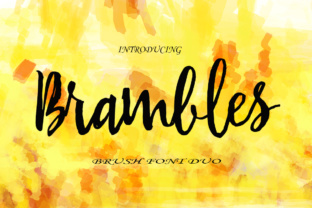
Choosing a Typeface for Distinctive Design: A Practical Look at Brambles and Its Alternatives
When you are evaluating typefaces for a project, the choices can feel overwhelming. You need something that communicates the right tone, works across different media, and stands out without sacrificing readability. One option that has been gaining attention is Brambles, a font duo that consists of two distinct fonts: Brambles Steellia. Understanding what this pair offers and how it compares with other approaches can help you decide whether it fits your specific needs.
What Brambles Is and What Makes It Distinct
Brambles is not a single typeface but a carefully curated duo. The two fonts, collectively referred to as Brambles Steellia, are designed to work together while each bringing a different personality to the page. One font typically carries a more structured, formal quality, while the other offers a contrasting style — perhaps more decorative, organic, or expressive. This pairing is intentional: it gives designers the flexibility to create hierarchy, contrast, and visual interest without needing to combine fonts from different families that may clash or feel mismatched.
What makes Brambles distinct is the thought behind the pairing. Instead of offering a single weight or style, the duo provides a built-in solution for projects that require variation — like a headline and body text combination, or a logo paired with supporting copy. The fonts are crafted to complement each other in terms of proportions, x-height, stroke contrast, and overall rhythm. This means less time spent hunting for a second font that harmonizes, and more time focusing on layout and message.
Another distinguishing feature is the aesthetic character of the Brambles Steellia fonts. They often carry a contemporary yet timeless feel, avoiding extreme trends that could date a design quickly. This makes the duo suitable for branding, editorial work, packaging, and digital interfaces where longevity matters.
How Brambles Compares with Similar Options
When comparing Brambles with other font duos or typeface families, several factors come into play. Many typeface families offer multiple weights and styles within a single family — for example, a sans-serif family with light, regular, bold, and italic versions. Brambles takes a different approach by offering two distinct font personalities rather than variations of the same design.
This distinction matters depending on your project. If you need subtle variation — say, a light weight for captions and a bold weight for headings within the same style — a traditional family may serve you better. But if you are looking for a more noticeable shift in character between different parts of your design, a duo like Brambles can provide that contrast more naturally.
Another point of comparison is the level of control. With a single family, you can adjust weight and style while maintaining a uniform look. With Brambles, you are working with two designed personalities, so the contrast is more defined. This can be a strength when you want clear visual separation — for instance, a formal serif for headings and a more playful script or sans for subheadings or accents.
There are also font pairings that you might assemble yourself from different foundries. While this gives you maximum creative freedom, it also carries risk: two fonts that look good individually may not work well together. Brambles removes that guesswork by providing a pre-validated combination. For designers who value efficiency and reliability, this is a meaningful advantage.
Strengths
- Built-in harmony: The two fonts in Brambles Steellia are designed to work together, so you avoid the common problem of mismatched proportions or clashing styles.
- Time savings: Because the pairing is already established, you can move faster from concept to execution, especially in projects with tight deadlines.
- Distinctive contrast: The duo provides a clear visual hierarchy that is hard to achieve with a single-family variation. This can make your design more engaging and easier to navigate.
- Versatility across media: The combination often includes one font that performs well in large sizes (headlines, logos) and another that is legible in smaller sizes (body text, captions). This makes Brambles adaptable for both print and digital use.
- Timeless aesthetic: The design avoids overly trendy elements, so projects using Brambles are less likely to feel dated after a few years.
Tradeoffs
- Limited flexibility within a single style: If you need multiple weights of the same font — for example, a light, regular, and bold version of the same design — Brambles may not offer that. You are getting two distinct styles, not a full family.
- Less control over subtle variation: In some projects, you may want a more uniform look where the only difference is weight or size. A duo like Brambles may introduce more contrast than you need.
- Potential learning curve: Working with two different fonts requires thinking about how they interact, especially in terms of spacing, alignment, and overall rhythm. This is not a drawback if you are experienced, but it can be a consideration for newer designers.
- Project fit: Not every project benefits from a dual-font approach. For very simple, minimal designs, a single font family might be more appropriate.
Best-Fit Situations for Brambles
Brambles shines in projects where you need to create a clear visual distinction between different levels of information. Common use cases include:
- Brand identity systems: A logo or primary brand mark using one font, with supporting copy in the complementary font, creates a cohesive yet varied look.
- Editorial and publication design: Magazines, brochures, and reports often benefit from contrasting headline and body fonts. Brambles can provide that contrast while keeping the overall design harmonious.
- Packaging design: Product packaging frequently uses multiple fonts to convey different types of information — product name, description, ingredients, or brand story. A duo like Brambles makes this natural.
- Digital interfaces and websites: When used carefully, the duo can help differentiate headings, subheadings, and body text, improving readability and user experience.
- Invitations, stationery, and event materials: These projects often call for a mix of formality and personality, and Brambles can deliver that balance.
In these situations, the pre-paired nature of the fonts reduces decision fatigue and increases consistency across materials.
When Another Option Might Be Better
While Brambles is a strong choice in many contexts, it is not universal. Here are situations where you might consider an alternative:
- When you need a full typeface family with many weights and styles: If your project requires extensive typographic hierarchy — from thin to black, with matching italics and small caps — a dedicated family with multiple weights is more practical. Brambles offers two fonts, but not a full spectrum of weights within each.
- When your design calls for a single, unified voice: For minimal or monochromatic designs, a single font may be more appropriate. Using a duo could introduce unnecessary complexity.
- When you work in a team with strict brand guidelines: Some organizations have established type standards that require specific fonts. Introducing a duo like Brambles may conflict with those guidelines.
- When budget is a primary concern: Font duos from respected foundries can represent a higher upfront investment compared to standard families. If you are on a tight budget, you might explore more affordable or open-source options.
- When you need specialized features: Some projects require fonts with extensive language support, ligatures, or stylistic alternates. It is worth checking whether Brambles Steellia covers the specific glyphs you need.
None of these are reasons to avoid Brambles entirely; they are simply factors to weigh based on your project requirements.
Decision Factors to Consider
To decide if Brambles is the right choice for your next project, consider the following:
- Project scope: Are you designing a one-off piece or a system that will be used across many applications? For broader systems, the duo approach may be more limiting.
- Audience and context: Who will read or view your design? A more decorative font might appeal to a creative audience but could feel out of place in a corporate report.
- Level of contrast needed: Do you want a subtle shift or a noticeable change? Brambles offers moderate to strong contrast, which works well for many projects but may not suit every brief.
- Existing brand elements: If you are working within an established brand, the fonts need to complement existing visual assets. Brambles may be a perfect match or may clash.
- Personal comfort with typography: If you are confident in pairing fonts from different families, you may not need a pre-paired duo. If you prefer a reliable, tested solution, Brambles can save time.
- Longevity of the design: For projects that need to remain relevant for years, a timeless design like Brambles is a safer bet than highly trendy typefaces.
Practical Examples of Brambles in Use
Imagine you are designing a brand identity for a boutique coffee roastery. You need a logo that feels artisanal and warm, plus a supporting font for menus, bags, and website copy. Using Brambles, you could set the logo in the more expressive font — the one with character and flow — and use the second, more legible font for the body text. The result is a consistent look that communicates quality and attention to detail without needing multiple font purchases.
For a design studio creating a portfolio book, the duo can help separate project titles from descriptions. The contrast draws the reader's eye to the title first, then guides them to the supporting information. This natural hierarchy improves readability and makes the layout feel polished.
In a digital context, a landing page for a creative agency could use Brambles Steellia to distinguish the headline from the subheadings and body text. With careful spacing and size scaling, the duo creates a visual flow that keeps users engaged without the need for excessive visual elements.
Making a Thoughtful Choice
Deciding on a typeface is rarely about right or wrong — it is about fit. Brambles offers a specific kind of value: a pre-validated, harmonious duo that saves time and provides distinctive contrast. It works well for projects that benefit from two clear voices, but it may not suit every situation, especially when you need a full range of weights within a single style.
Before committing, review the complete character set, test the fonts in your intended medium, and consider how the duo will function across your full range of materials. If the contrast aligns with your vision and the limitations are acceptable for your project, Brambles can be a strong, dependable choice. If not, looking at other font duos or comprehensive families may lead you to a better fit. The key is to match the tool to the task, not the other way around.