Selfish Font: A Playful Typeface with Practical Design Solutions
When you’re choosing a typeface for a project, the balance between personality and readability often feels like a tug-of-war. You want something that stands out, that adds character to your message—but not at the cost of legibility or professional polish. Enter Selfish, a playful font created by designer Pere Esquerrà. This isn’t just another quirky display face; it’s a tool designed to solve real-world design challenges while injecting a sense of joy and approachability into your work. Whether you’re a seasoned graphic designer or someone tackling a personal branding project, understanding how to use Selfish effectively can open up new creative possibilities.
What Makes Selfish Different?
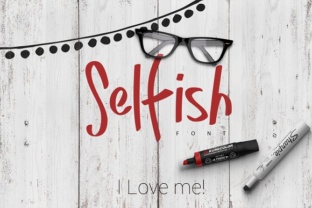
At its core, Selfish is a display font that leans into playfulness without sacrificing clarity. Pere Esquerrà crafted it with irregular strokes, bouncy letterforms, and a hand-drawn feel that immediately sets it apart from more rigid, geometric typefaces. But its charm isn’t just aesthetic—it’s functional. The font’s uneven spacing and varied character heights create a rhythm that naturally draws the eye, making it ideal for headlines, short phrases, and any context where you need a quick emotional connection with your audience.
Unlike many playful fonts that can feel gimmicky or hard to read, Selfish retains a surprising amount of legibility. This is thanks to careful attention to letterform consistency—even as the shapes wobble and tilt, each character remains distinct. This nuance makes Selfish a practical choice for projects where you need both fun and function.
The Real Challenges Designers Face
Before diving into how Selfish can help, it’s worth identifying the common pain points that make typography decisions stressful:
- Standing out without looking unprofessional. In a crowded market, many fonts either blend in or feel too cartoonish for serious use.
- Creating an emotional response. A brand or message needs to resonate quickly, and a default font often fails to convey personality.
- Balancing creativity with accessibility. You want your text to be readable across different sizes and mediums.
- Finding a font that fits multiple contexts. Maybe you need a single typeface that works for both a poster and a social media graphic.
If any of these sound familiar, Selfish offers a practical starting point—not as a cure-all, but as a versatile addition to your typography toolkit.
How Selfish Addresses Your Needs
Selfish is particularly effective when you need to humanize your design. The hand-drawn quality creates a sense of authenticity that a sterile sans-serif can’t match. For example, a friend’s small bakery launching a new product line can use Selfish for the product labels to communicate handmade care. The font’s playful forms instantly signal “not mass-produced” without relying on overly decorative elements that might look dated.
Another common need is grabbing attention quickly. In digital spaces, users scroll past endless content. Selfish’s irregular shapes act like visual anchors—they stop the eye because they don’t look like every other line of text. That’s why it works so well for call-to-action buttons, event posters, or splash pages. The playful energy translates into a nudge of curiosity: “This is different. Look here.”
For designers who worry about making text accessible to all ages, Selfish can be a smart choice. Its rounded forms and clear counters (the enclosed spaces inside letters like ‘a’, ‘e’, and ‘o’) make it friendly for children’s materials, but also approachable for adults who appreciate a touch of whimsy in an otherwise serious document. Think of a community center flyer or a local festival program—Selfish adds warmth without confusing readers.
Practical Applications of Selfish
To get the most out of this font, it helps to think in terms of specific use cases. Here are several where Selfish shines, along with tips on implementation:
1. Branding for Creative or Informal Businesses
Selfish is a natural fit for brands that want to appear approachable, creative, or youth-oriented. A small art studio, a children’s clothing line, or a craft beer label can use Selfish as a primary display font. For best results, pair it with a clean, neutral sans-serif (like Open Sans or Lato) for body text—this keeps the overall look balanced. The contrast between the playful Selfish and a simple supporting font prevents visual fatigue.
2. Invitations and Announcements
Birthday party invitations, wedding shower cards, and product launch announcements benefit from Selfish’s personal touch. Because the font mimics handwriting, it feels bespoke. When designing a digital invitation, use Selfish for the main headline (e.g., “You’re Invited!”) and a secondary font for details. Keep the font size generous—Selfish works best at 24pt or larger to preserve its quirky details.
3. Social Media Graphics and Headlines
On platforms like Instagram or LinkedIn, your text often competes with images and scrolling feeds. Using Selfish for key quotations or headlines can increase dwell time. For instance, a motivational post with a Selfish headline like “Start Today” feels more energetic than the same words in Arial. But remember: Selfish is a display font—avoid long paragraphs. Stick to short, punchy messages.
4. Packaging and Labels
Product packaging is a tactile experience, and a font like Selfish can convey a lot about the product inside. If you’re designing a label for a jar of honey or a box of organic tea, Selfish brings a rustic, handcrafted vibe. It suggests care and small-batch quality. For legibility at small sizes (like ingredient lists), switch to a simpler font, but let Selfish take the lead on the product name.
5. Educational Materials for Children
Teachers and content creators can use Selfish for worksheets, flashcards, or classroom posters. Its playful shapes engage young learners without overwhelming them. Because the font is still clear, kids can easily recognize letters. That said, avoid using Selfish for very young children who are just learning to read—stick to more standard letterforms for early literacy, and use Selfish for decorative titles instead.
Different Users, Different Approaches
How you work with Selfish depends on your background and project scope. Here’s a look at how different people might approach it:
- Professional Graphic Designers: You’ll likely treat Selfish as a specialty tool, not an everyday font. Use it sparingly to create focal points. Consider kerning adjustments—Selfish’s irregular spacing sometimes requires manual tweaking. Pair it with font families that have multiple weights for flexibility.
- Small Business Owners: If you’re creating your own marketing materials, Selfish can be a quick way to add personality without hiring a designer. Download the font, try it in a poster for your store window, or use it for a seasonal sale banner. Just keep it to short text to maintain legibility.
- Hobbyists or Content Creators: For blogs, YouTube thumbnails, or personal projects, Selfish can give your work a distinctive look. You might use it for your logo or channel name. Since you’re not constrained by strict brand guidelines, feel free to experiment with colors and effects—just stay mindful of readability on different screens.
- Event Organizers: For festival posters, charity run banners, or community meet-up signs, Selfish conveys energy and inclusivity. It works well in large formats, but always test print at full size to ensure the letterforms don’t become distorted.
Practical Considerations When Using Selfish
To get the best outcome, keep these implementation tips in mind:
- Size matters. Selfish is designed for display use—headings, logos, and short lines. At sizes below 18–20pt, the playful details can blur, and some characters may become harder to distinguish.
- Color and contrast. Because Selfish has irregular strokes, avoid placing it on busy backgrounds. Use sufficient contrast between text and background. For dark backgrounds, consider using a lighter weight or adding a subtle glow to keep the letters crisp.
- Pair it wisely. Selfish pairs well with neutral, clean typefaces. Good companions include Montserrat, Roboto, or any geometric sans-serif. Avoid pairing it with another highly decorative font—the result can feel chaotic.
- Test across mediums. What looks charming on a screen may feel different in print. Always do test prints, especially for packaging or signage. On digital, preview on mobile devices to confirm legibility.
- Use it for emotional tone. Selfish inherently feels friendly, informal, and slightly mischievous. If your project requires a serious, corporate tone, this font likely isn’t the right fit. Save it for moments when you want to invite a smile.
Outcomes You Can Expect
When used thoughtfully, Selfish can transform a bland layout into something memorable. You’ll likely notice increased engagement on social media posts that use it—people react to the warmth. In branding, clients and customers often comment on the “handmade” feel, which builds trust. For personal projects, the font gives your work a cohesive identity that feels both fun and intentional.
However, it’s important to set realistic expectations. Selfish will not fix poor design choices or compensate for cluttered composition. It’s most effective when you let it breathe—white space around the text amplifies its character. Overusing it can quickly lead to visual noise, so exercise restraint.
Final Thoughts
Selfish by Pere Esquerrà is more than a trendy display font; it’s a practical solution for communicating warmth, creativity, and approachability. By understanding its strengths and limitations, you can deploy it in ways that improve the user experience—whether that means more clicks, more smiles, or more recognition for your brand. The next time you’re stuck choosing a typeface that feels both distinctive and usable, give Selfish a try. Test it in a few mockups, pair it with a clean companion, and see how a little bit of playful design can make a big difference.