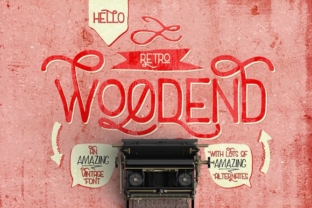
Woodend: A Handcrafted Font with Timeless Appeal
There’s something about a font that looks like it was made by hand, not machine. Woodend, a handcrafted typeface from Creativeqube, captures that feeling perfectly. It blends rustic charm with modern legibility, making it a versatile choice for designers, business owners, and content creators who want their words to feel personal without sacrificing professionalism.
What Makes Woodend Stand Out
Woodend is not your average digital font. Its letterforms carry subtle imperfections—slightly uneven strokes, gentle curves, and a natural rhythm that mimics hand-drawn lettering. Yet it retains enough structure to remain readable at various sizes. This balance is rare. Many handcrafted fonts sacrifice clarity for character, but Woodend keeps both.
The typeface works well for headlines, short blocks of text, and branding elements. It has a warm, approachable tone that fits everything from café menus to creative agency websites. Creativeqube designed it with versatility in mind, ensuring it feels equally at home in print and on screen.
Key Characteristics of Woodend
When you first look at Woodend, you notice the texture. The strokes have a slightly painted quality, as if applied with a brush or fine pen. This gives the font an organic feel that connects emotionally with viewers. It also includes a full set of uppercase and lowercase characters, numbers, punctuation, and multilingual support—practical details that matter when you’re building a brand or preparing a publication.
The letter spacing is generous, which improves readability especially in shorter phrases. The x-height (the height of lowercase letters) is balanced, so words don’t feel cramped or top-heavy. This makes Woodend suitable for both display uses and small amounts of body copy, provided the text size is large enough—around 14 points or more.
Another notable quality is its lack of excessive ornamentation. Some handcrafted fonts pile on swirls and flourishes, which can distract. Woodend keeps it simple: clean shapes with just enough personality to feel special. That restraint is a sign of good design.
In Business and Branding
If you run a small business, a handcrafted font like Woodend can set you apart from corporate-looking competitors. Think of a local coffee shop that uses it on takeaway cups—the word “Coffee” in Woodend feels more inviting than a standard sans-serif. Similarly, a freelance photographer could use Woodend for their logo and website headings. It communicates authenticity and care, which builds trust with clients.
For entrepreneurs launching a product line, Woodend works beautifully on packaging. A handcrafted label for artisan soap or organic tea instantly signals quality. It also pairs well with neutral colors like kraft paper brown, olive green, or warm gray.
In Content Creation and Digital Media
Bloggers and YouTubers often struggle to find fonts that look good on screens without being generic. Woodend solves that. Use it for video thumbnails, social media graphics, or your blog post titles. The font’s texture adds visual interest without overwhelming the content. It also scales well—test it at 48 pixels on a cover image and at 24 pixels in a sidebar subheading. You’ll see consistent legibility.
Publishers of newsletters or digital magazines can leverage Woodend for section headers or pull quotes. Its handcrafted feel breaks up the monotony of standard serif or sans-serif body text, guiding the reader’s eye naturally.
In Education and Instructional Materials
Teachers and educators can use Woodend to create engaging worksheets, classroom posters, or lesson title slides. The informal yet clear style appeals to younger students and helps information feel less intimidating. For example, a science poster titled “The Water Cycle” in Woodend invites curiosity. Pair it with a clean body font like Open Sans for readability.
Even in online courses, Woodend works for module titles or key quotes. It adds a handcrafted touch that suggests the material was made with care—boosting learner engagement.
In Creative and Personal Projects
Hobbyists and creatives have endless uses. Event invitations, greeting cards, personal blogs, or art prints all benefit from Woodend’s warmth. A wedding invitation set in Woodend feels more intimate than a formal script. A personal blog about woodworking or gardening gains extra authenticity when the headings match the handmade theme.
Freelancers presenting portfolios can use Woodend sparingly—perhaps on the home page title and contact section—to reinforce a personal brand. Overusing any display font can hurt readability, so reserve it for moments that need emphasis.
Benefits for User Experience and Communication
Choosing Woodend isn’t just about aesthetics; it has practical benefits for how people engage with your content. Because the font feels personal, readers often perceive the text as more trustworthy. That’s useful in marketing emails, landing pages, or call-to-action phrases like “Get Started” or “Join Us.”
From a usability perspective, Woodend’s clear letter shapes reduce eye strain at appropriate sizes. It also works in monochrome settings, so black-and-white prints remain crisp. For digital use, the font loads quickly as a web font file, which keeps page speeds reasonable—important for SEO and mobile visitors.
When combined with a simple layout, Woodend can actually improve comprehension. The contrast between a handcrafted heading and clean body text creates a visual hierarchy that guides the reader naturally. People scan less and read more when the design feels intentional.
Practical Considerations When Using Woodend
Before you commit to Woodend for a project, test it in your specific context. Because it’s handcrafted, it may not suit long body text—stick to headlines, subheads, and short phrases. If you need to write a full paragraph in Woodend, use a larger size (around 18–24 points) and ample line spacing.
Also, consider pairing. Woodend pairs nicely with simple sans-serif fonts like Montserrat, Lato, or Roboto for body copy. Avoid pairing it with another script or decorative font; that can clash and reduce readability. A good rule: one handcrafted font per project.
Licensing matters too. Woodend is available for purchase from Creativeqube and comes with standard desktop and web use options. Check the license if you plan to use it in commercial products like merchandise or resale templates. It’s a small investment that ensures you’re using the font legally and ethically.
Finally, don’t overuse it. A little Woodend goes a long way. Let it shine in key places—a logo, a main heading, a featured quote. Reserve the rest for supporting fonts. This approach keeps your design balanced and ensures the handcrafted quality remains special.
Why Woodend Belongs in Your Toolbox
In a world of hundreds of thousands of fonts, Woodend earns its place through authenticity. It offers something that many digital fonts lack: a human touch. Whether you’re building a brand, creating content, or designing for a personal passion project, this typeface helps your message feel genuine. And for audiences aged 20 to 50—who value transparency and connection—that genuine feeling can make all the difference.
Try Woodend on a small project first. See how it changes the tone. You may find yourself reaching for it again and again.