Mebinac Family
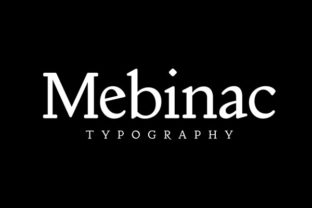
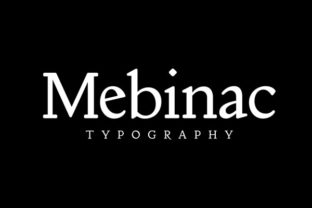
In the world of graphic design, few decisions carry as much weight as choosing the right typeface. The Mebinac Family, a neat serif font created by Alan Hayward, offers a refined solution that balances classic elegance with modern clarity, making it a valuable asset for designers seeking visual impact and readability.
Understanding the Mebinac Family in Modern Design
Typography forms the foundation of effective visual communication. A well-chosen typeface can elevate a brand identity, guide the viewer’s eye, and convey the right tone. The Mebinac Family stands out because of its clean serif structure—traditional enough to command authority, yet contemporary enough to feel fresh. Its consistent stroke weight and balanced proportions ensure that it performs beautifully across both print and digital applications, from logo design to editorial layouts.
Why Serif Fonts Matter for Brand Identity
Serif typefaces have long been associated with trust, tradition, and readability in long-form text. In branding, they can lend a sense of heritage and reliability. Mebinac takes these qualities and streamlines them: it avoids overly decorative flourishes while retaining subtle details that add character. This makes it especially suited for brand identity projects where you need to appear both professional and approachable. Whether used for a law firm’s logo or a lifestyle magazine’s headlines, the font provides a strong visual anchor.
Practical Applications Across Design Disciplines
Versatility is one of the Mebinac Family’s greatest strengths. It integrates smoothly into many creative workflows:
- Branding and Logo Design – Its distinct serif shapes hold up well in wordmarks and lockups, helping create memorable brand marks.
- Marketing Materials – From brochures to flyers, the font ensures clear communication while maintaining a premium feel.
- Social Media Graphics – Even at small sizes on mobile screens, Mebinac remains legible and attractive, making it ideal for Instagram posts or LinkedIn banners.
- Web and UI Design – For body text on websites or interface labels, its readability reduces eye strain and improves user experience.
- Editorial Layouts – In magazines or annual reports, the typeface supports long reading sessions with consistent rhythm and elegance.
- Packaging Design – On product labels or boxes, the serif gives a tactile, artisan quality that resonates with consumers.
- Advertising Campaigns – Headlines set in Mebinac draw attention without screaming; they invite rather than demand.
- Presentations – Slide decks benefit from the font’s clarity, especially when used for quotes or key data points.
- Merchandise and Digital Products – Whether printed on T-shirts or embedded in an app, the font maintains its personality across media.
Tips for Evaluating and Using a Typeface Like Mebinac
To get the most out of any creative asset, careful evaluation is key. When selecting a serif font for a project, consider these factors:
- Consistency – Does the font family include multiple weights (light, regular, bold) so you can create visual hierarchy without mixing typefaces? Mebinac offers enough variety to build a cohesive system.
- Readability – Test the font at different sizes and on various backgrounds. A good serif should remain comfortable to read in paragraphs as well as short headlines.
- Scalability – From large posters to small mobile text, the font should not lose its character or clarity.
- Audience Expectations – Consider your target audience. A traditional serif can signal authority; a modern serif like Mebinac strikes a balance that appeals to both conservative and contemporary tastes.
- Compatibility with Existing Brand Systems – Does the font harmonize with your color palette, imagery style, and other design elements? The right typeface should enhance, not fight against, your overall visual identity.
Visual Hierarchy and User Engagement
Typography directly influences how users scan content. By pairing Mebinac’s heavier weights for headings and lighter weights for body text, designers establish a clear visual hierarchy that guides readers through information. This improves user engagement because visitors can quickly locate what matters. In UX design, such clarity reduces friction and supports seamless interaction. A font that feels natural to read encourages users to stay longer—whether on a webpage, in an app, or flipping through a printed catalog.
Color palettes also interact with typefaces. Mebinac’s neutral serif lines work well with both vibrant accent colors and muted earth tones, making it a flexible foundation for creative projects. For example, using the font in a dark charcoal across white background yields a clean, editorial look, while pairing it with a warm gold suggests luxury and craftsmanship.
Design Trends and the Lasting Value of Thoughtful Typography
Current design trends often cycle between minimalist sans-serifs and expressive serifs. A well-made serif like Mebinac sits comfortably within modern aesthetics without feeling dated. Its neatness aligns with the contemporary preference for clarity and purpose, yet it carries enough tradition to feel grounded. This makes it a smart investment for businesses and creators who want to avoid the “disposable” look of overly trendy typefaces.
Ultimately, the success of a design project depends on the synergy between all visual elements—typography, color, imagery, and composition. By choosing a font that is both functional and beautiful, you build a stronger foundation for communication. The Mebinac Family, with its neat serif design and thoughtful construction, exemplifies how quality creative assets can improve both aesthetics and the way an audience connects with your message. When every detail supports the story you want to tell, the result is not just professional presentation—it is memorable communication.